

Frequently Asked Questions
Swedish massage follows a specific, structured sequence of five stroke types — effleurage, petrissage, tapotement, friction, and vibration — each serving a distinct physiological purpose, from warming tissue to stimulating circulation. A generic relaxation massage may borrow some of these strokes but usually skips the structured sequencing that makes Swedish technique consistently effective.
Not necessarily. While pressure is generally lighter than deep tissue work, Swedish massage is highly effective for surface muscle tension, poor circulation, tension headaches, and general stress-related tightness. For deeper, layered muscle knots, we may recommend combining it with elements of deep tissue work during your session — just mention this when booking.
Yes — it’s widely considered the ideal starting point for first-time massage clients specifically because of its moderate, adjustable pressure and predictable, calming rhythm. Many clients who later move on to deep tissue or sports massage started with Swedish technique to understand their own pressure preferences.
Yes. The long gliding strokes used in Swedish technique are directional — moving toward the heart — which is specifically designed to support venous return and reduce mild fluid retention, particularly in the legs after long periods of sitting or standing.
Yes. While traditional Swedish technique uses light-to-medium pressure, therapists can adjust intensity within the same stroke sequence based on your comfort. If you consistently prefer firm pressure, our deep tissue massage may be a better long-term fit.
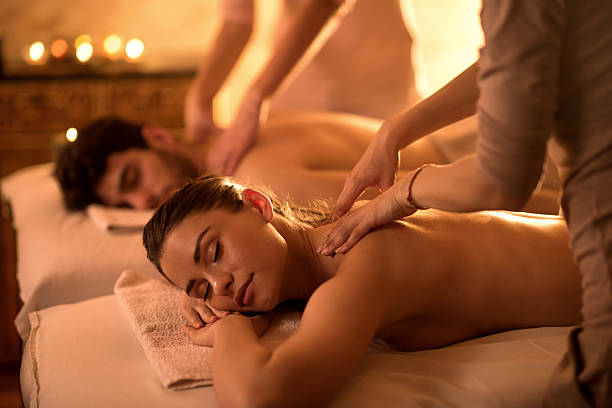
Yes — this is one of our most popular requests, since Swedish massage’s calm pace suits a shared, unhurried session particularly well. Ask about our couples massage option when booking.
We cover all major areas of Abu Dhabi, including Khalifa City, Al Reem Island, Corniche, Saadiyat Island, Yas Island, and Al Raha Beach.